“We used to wonder where war lived, what it was that made it so vile. And now we realize that we know where it lives, that it is inside ourselves.”
French philosopher Albert Camus wrote those words in 1945. For most of the decades that followed, the world largely ignored the larger meaning; instead, we’ve treated intergroup conflict as a problem of ideology, religion, history, territory, resources or power, to be resolved through diplomacy or deterrence. Wars were always “out there.”
And still, conflict rages. According to the Institute for Economics and Peace, global peacefulness has declined every year since 2014, with 100 countries becoming less peaceful over the past decade. And it isn’t only conflict on the battlefield: across democracies, an emotional and tribal form of polarization has deepened fault lines within societies, turning neighbours into opponents to be shunned or vilified.
Facts, we now know, do not defuse conflict. Presenting people with accurate information rarely changes entrenched views; in some cases, it hardens them. Reasoned argument can backfire. The issue, social psychologists say, is that Camus was right all along: conflict lives inside us. It is sustained not just by disagreements over land or policy, but by the fears, identities and psychological needs that become fused with those disputes over time — and that make them feel, to the people experiencing them, like existential struggles.
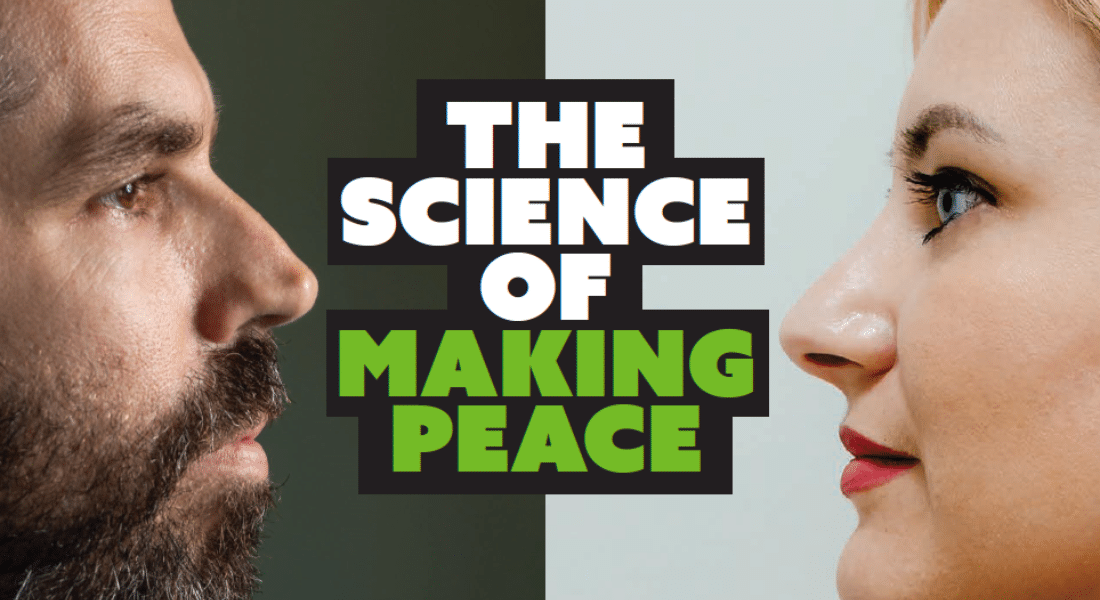
If the seeds of intergroup conflict are partly psychological, can they be unsown by psychology? Researchers like Boaz Hameiri and Nadine Knab believe they can, and they’re developing the evidence to prove it.
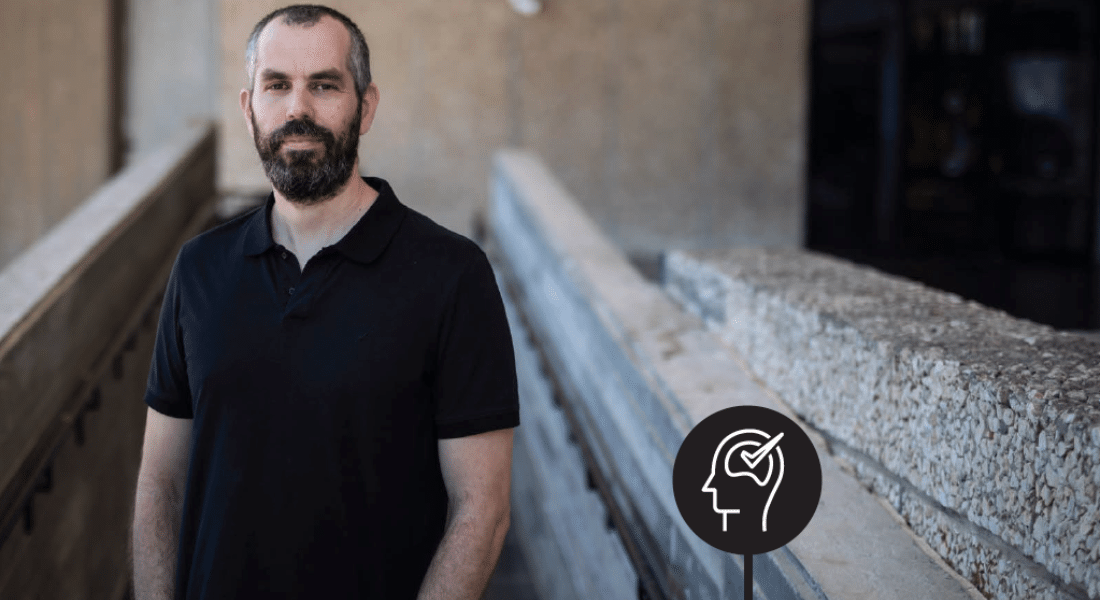
Hameiri is an associate professor in the School of Social and Policy Studies and head of the Program in Conflict Management and Mediation at Tel Aviv University. His interest in the social psychology of conflict was heavily influenced by his own experiences growing up in Netanya in central Israel during the late 1990s, after the breakdown of the Oslo Accords. Hameiri, who was awarded an Azrieli Graduate Studies Fellowship in 2015, went on to complete his graduate training in social psychology at Tel Aviv University in 2019. He then spent two years as a postdoctoral fellow in the Peace and Conflict Neuroscience Lab at the University of Pennsylvania.
Since then, Hameiri has built an influential body of research exploring how group identity, emotions and political context shape openness to peace. His work has taken him from conflict zones in the Middle East to polarized communities in Nigeria and Colombia. Recently, he received a prestigious €1.8 million European Research Council grant to systematically study not just whether interventions based on social psychology reduce intergroup conflict, but in which types of conflicts and why.