Among the many puzzles surrounding cryptocurrencies today, one stands out: How is this even allowed? Bitcoin and other digital currencies are minted by private players. Aren’t only countries permitted to make money?
Mostly, yes. But history, as researcher Idit Ben-Or has found, tells a messier story.
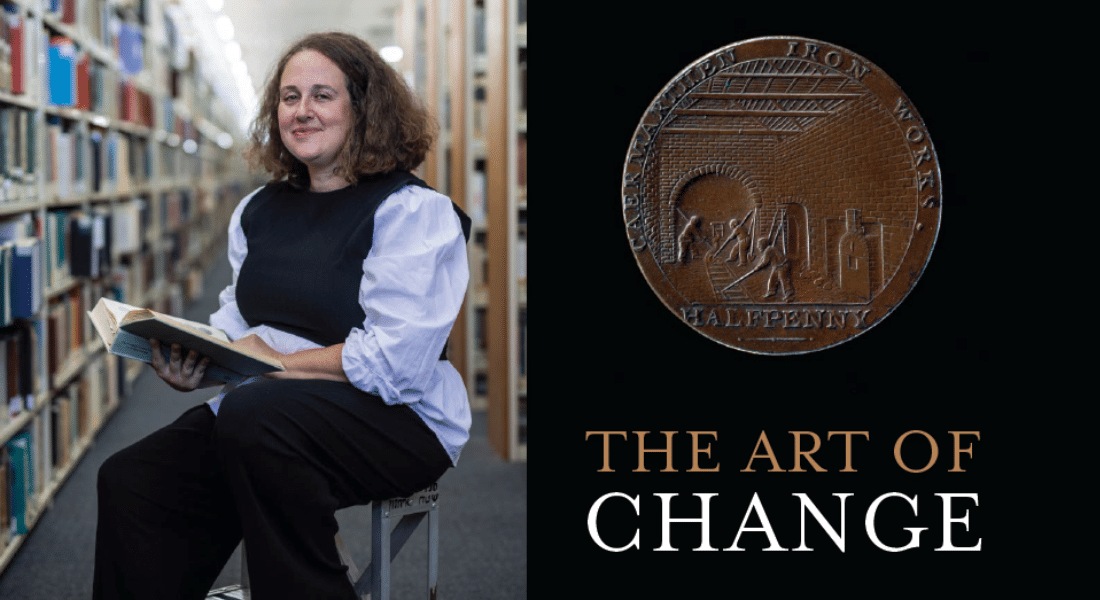
Ben-Or has traced eras when private firms and even ordinary citizens issued their own money. Sometimes, it circulated widely. In other cases, use was limited to a single village or even a few city streets. It’s an important piece of history that has modern resonance, says Ben-Or, an assistant professor at Tel Aviv University and former Azrieli Graduate Studies Fellow who specializes in the overlooked history of privately issued money in present-day Britain from the 17th to 19th centuries. “Economies are created by people. The idea that only governments have ever shaped coinage and paper money and how we use it, isn’t true.”
The range of private money she has uncovered is striking. At one end, one of the most powerful companies the world has ever known, whose currency helped it dominate vast territories and people well into the 1800s. At the other, humble tavern owners, milliners, grocers and potters in late-1600s London — some of them female business owners — who literally put their own stamp on coins.
Ben-Or’s research moves beyond government treasuries and the world of high finance to explore how private money evolved on the ground. She examines the local economies that sustained these currencies and the workers who ultimately used them in their daily lives.
Ben-Or’s research starts with small change. It is through the jingle-jangle of coins that private money once played a surprisingly large role in daily life. One of the clearest examples comes from the first Industrial Revolution.
In late-1700s Britain, people moved from farms to factory jobs. Growing trade meant markets were filling with goods beyond simple necessities. People relied on pennies, halfpennies and farthings (quarterpennies) to shop. Industrialists also paid wages in these denominations.
But there was a problem: there wasn’t enough small change available. In 1775, the Royal Mint stopped making such coins, as they were too expensive to distribute. That shortage created “real distress” among ordinary English folk, Ben-Or says. The dilemma of the penny loaf illustrates what they faced. Penny-loaf bread was a staple in every home. It only cost a penny. “But if you couldn’t get a penny, how could you buy a penny loaf?” she asks.
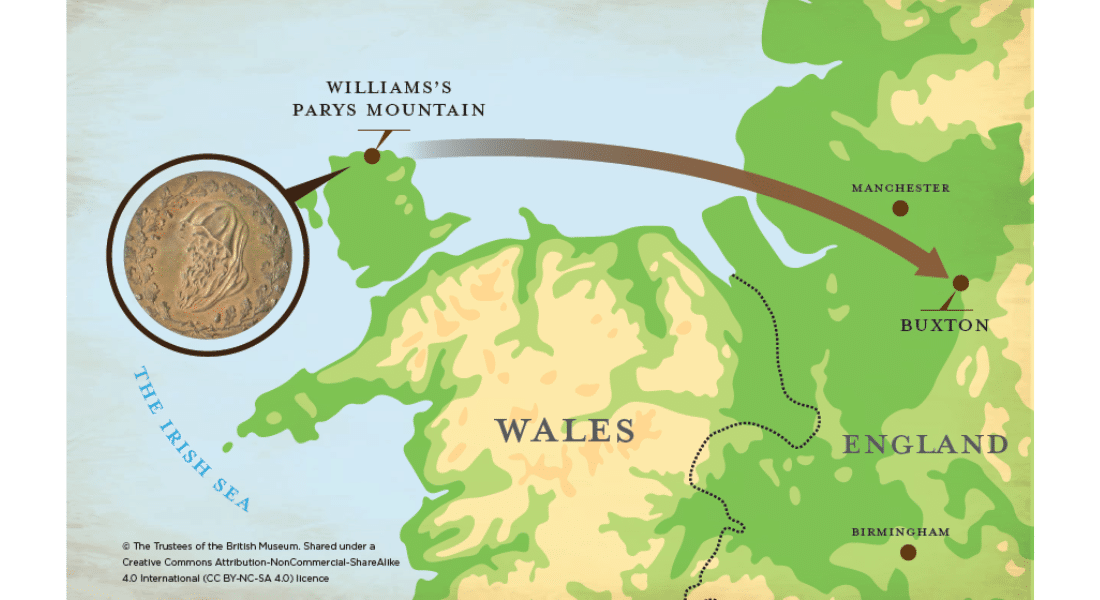
The issue came to a head in the 1780s at Parys, Britain’s largest copper mine, in Wales, which had about 1,500 men, women and children on its payroll but not enough coinage to pay them. That’s when the mine’s primary owner, Thomas Williams, decided to mint his own coins to cover wages.
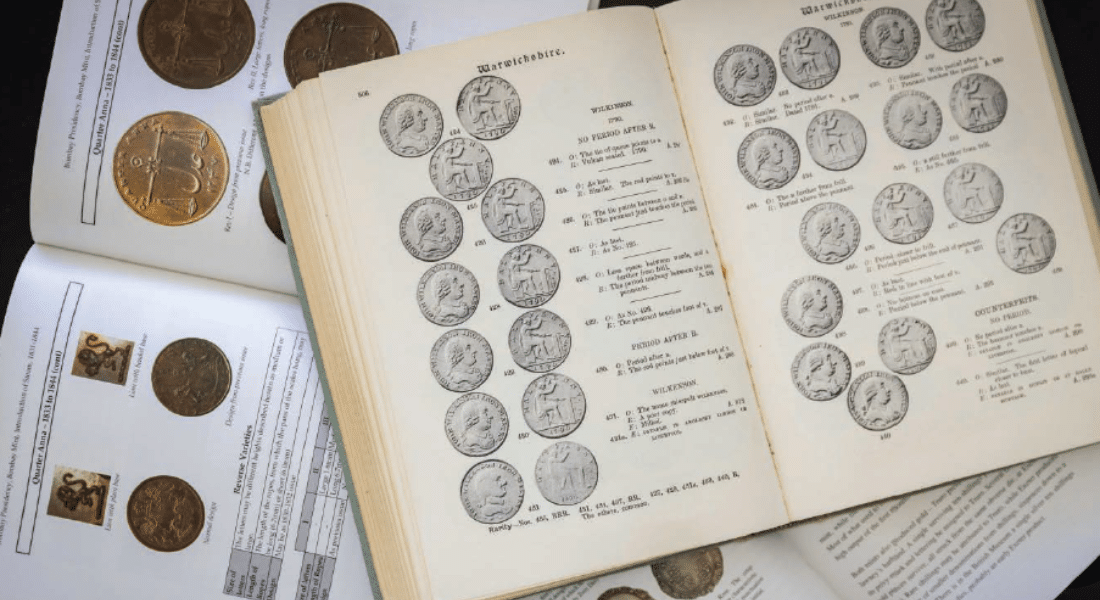
Other factory owners followed. Between 1787 and 1797, privately issued coins flourished, with roughly 130 factory owners minting across Britain. Known as provincial tokens, these mostly copper coins were not crude counterfeits. Each carried an elaborate design tied to the issuer. Williams put the face of an ancient druid on his coins. Others showed images meant to symbolize the Industrial Revolution’s progress: iron bridges, men and machines, and factory scenes.
By digging into archives and history books and examining coins, Ben-Or set out to understand the effect this money had on everyday people. “Working people didn’t have a lot of say when their employer paid them in provincial coins,” she says. But that didn’t mean they automatically accepted every piece. One major industrialist, John Wilkinson, was well regarded by his workers, but they initially rejected his coins. The problem, Ben-Or says, was that the metal in the coins was worth less than the value stamped on them. Only when he lowered the face value did they take them.
With provincial coins in workers’ pockets, shops in factory towns began accepting them, too. Some coins even travelled far beyond their origins. Ben-Or cites an account by a man named John Byng, who, in 1790, received change in Williams’s coins on a toll road in the spa town of Buxton, England. That was 250 kilometres away from the Welsh mine where they were issued.
So why didn’t the British Crown step in? Counterfeiting and other coinage offences carried the death penalty. Ben-Or’s research suggests the government didn’t consider small coins to be a meaningful part of the nation’s wealth. Even as they became more important in everyday life, they were seen as economically trivial. “Small change was petty commerce,” she says. “The government wasn’t interested in controlling it, so they left it to the private sector.”