When Professor Efrat Shadmi thinks about the future of healthcare, she returns to the memory of caring for her late father after he was diagnosed with a rare form of cancer when she was only 23 years-old. He received excellent medical care, she recalls, but no one person was responsible for connecting the many parts of his care or helping the family make sense of what was happening. That experience made something clear that has shaped her work ever since – healthcare needs “the power of nursing.”
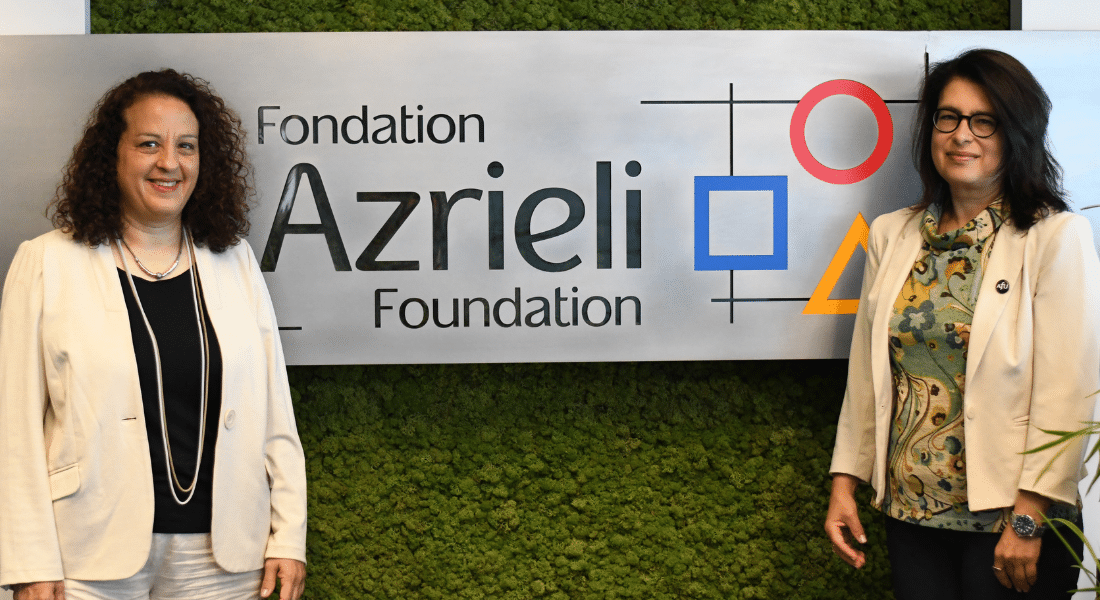
That belief is at the heart of the Azrieli Advanced Nursing Center (ADVANCE) at the University of Haifa, a centre of excellence supported by the Azrieli Foundation that is strengthening Israel’s nursing workforce through education, research, simulation and innovation. Supporting healthcare innovation and advancing scientific knowledge are key priorities for the Foundation, and in a healthcare system facing growing complexity, workforce pressures and an aging population, ADVANCE reflects both by investing in nurse education, research and leadership roles that improve care.
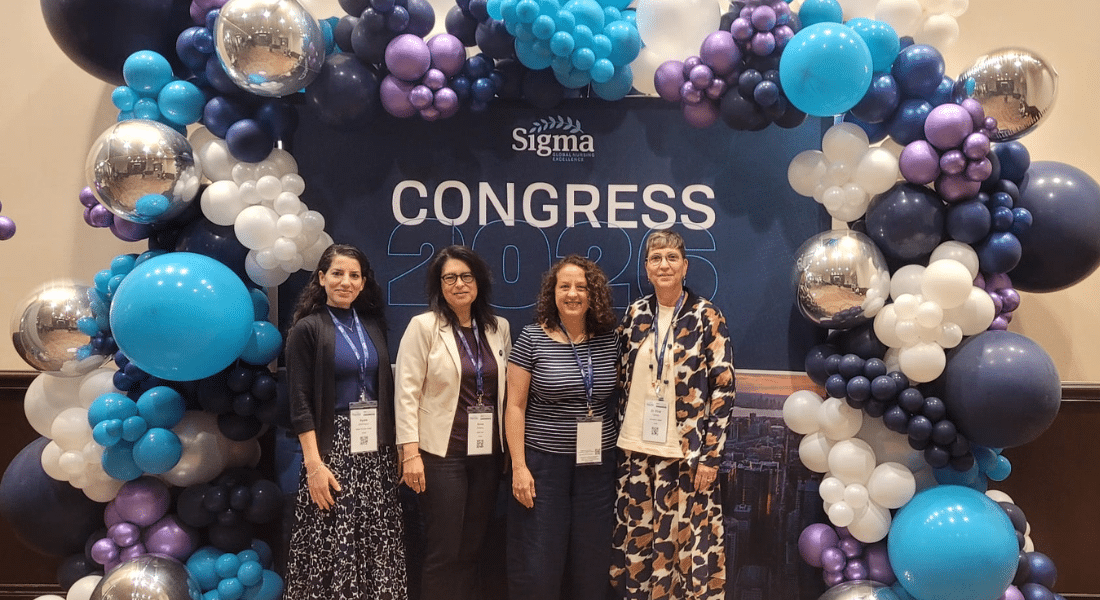
Led by Shadmi, Head of ADVANCE and the Cheryl Spencer Department of Nursing, and Professor Anna Zisberg, Head of ADVANCE’s Research Unit, the centre brings together three complementary areas: ADVANCE-RUN, focused on research; ADVANCE-LIVS, focused on simulation-based education; and ADVANCE-TECH, focused on healthcare technology and innovation. Together, they move knowledge into practice and prepare nurses to meet healthcare’s most pressing needs. Research is the cornerstone of all ADVANCE initiatives. It guides the entire innovation cycle, from identifying needs and designing new models, through implementation and evaluation, to the dissemination of evidence that informs healthcare practice and policy worldwide.
Professor Zisberg’s path to nursing began differently. After immigrating from Russia to Israel, she entered nursing for practical reasons and quickly discovered a profession that became her life’s work. As a hospital nurse, she saw older adults admitted for treatable conditions leave hospital less mobile, less independent or less cognitively well than when they arrived. That observation became a decades-long research focus that changed practice nationally: hospitals across Israel are measuring mobility and function not only at admission, but also at discharge.