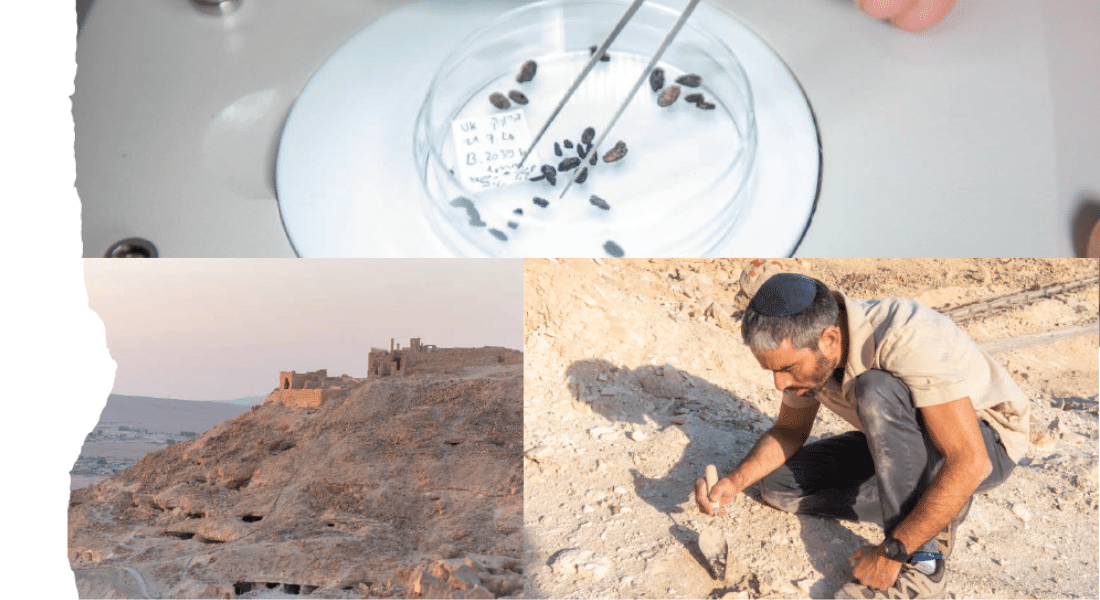
On a sunny day in July, in Israel’s Avdat National Park in the southern Negev Desert, scientists and park staff gathered to pick wine grapes. But this was no ordinary harvest. It was the revival of a tradition 1,500 years old.
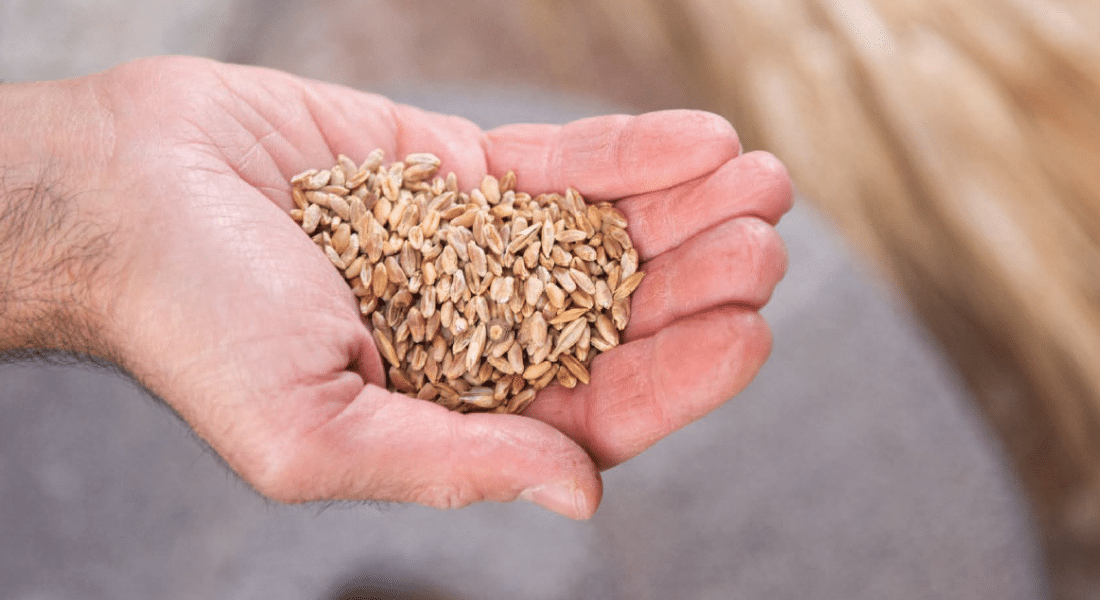
The clusters came from a close relative of grapes once cultivated here during the early Islamic period, around 650 to 850 CE, and are presumed to descend from grapes of the Byzantine era, around 350 to 650 CE. In those earlier centuries, the Negev was believed to be a thriving wine hub, exporting its prized vintage across the Mediterranean Sea and as far as northwest Europe.
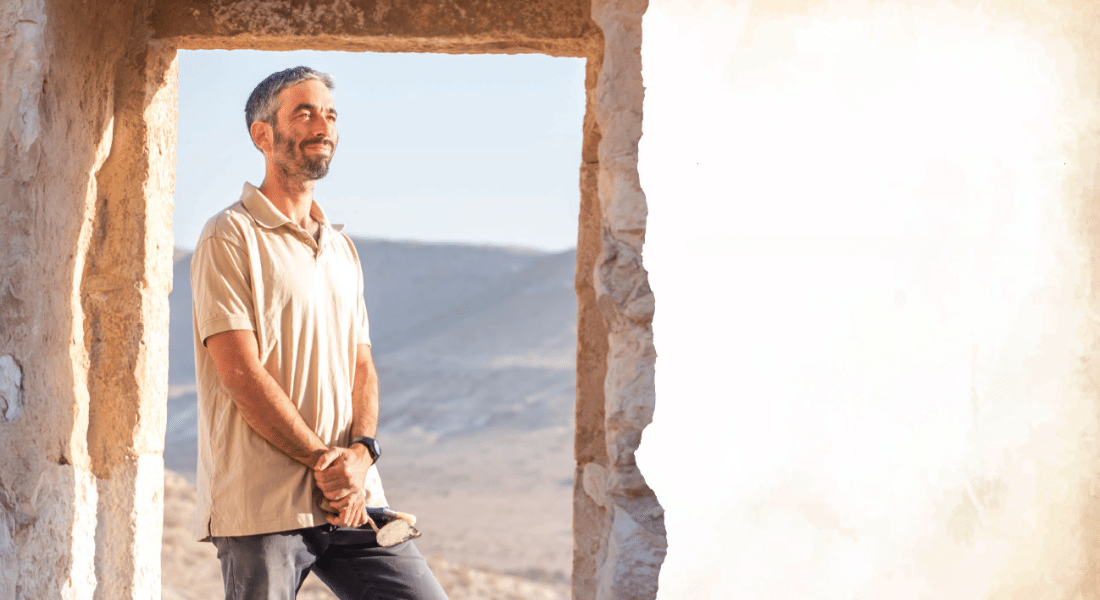
Daniel Fuks, senior lecturer in environmental archaeology at Ben-Gurion University of the Negev and an Azrieli Early Career Faculty Fellow, savoured the moment. Years earlier, he had watched these vines go into the ground. As an archaeobotanist — a scientist who studies ancient plant remains — he had helped bring this moment to life.
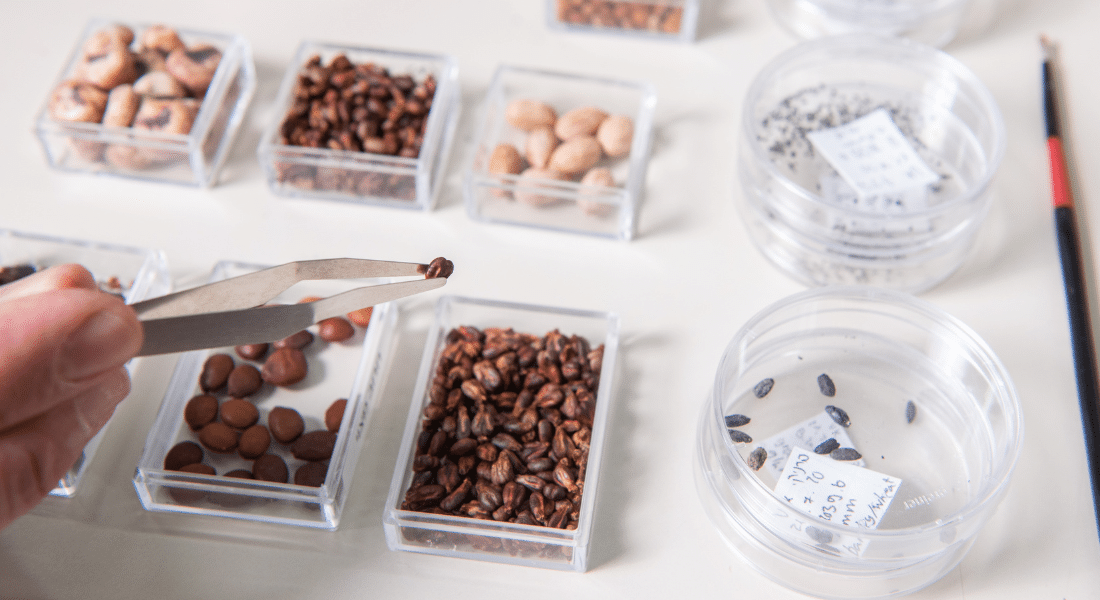
Fuks studies seed and fruit remains. His research centres on southern Israel, especially the Negev, during the Roman, Byzantine and early Islamic periods of the first millennium CE, an era rich with agricultural innovation and crop diversification.
Back in 2016, while a PhD student at Bar-Ilan University, Fuks was notified of a rare find in Avdat. Behind the collapsed walls of a Byzantine building lay a hidden cave painted with Early Christian motifs. Under the rubble were desiccated dung and plant remains, including (as he later discovered) grape seeds, or pips. Such discoveries are like gold for archaeobotanists. Unlike charred seeds left from ancient cooking fires that do not preserve genetic material, these dried pips still carried DNA that originated inside the organisms.
With the help of youth group volunteers, Fuks collected samples and delivered several grape pips for DNA testing. Together, researchers found a close match between the ancient Negev grapes and a modern cultivar grown today. (A cultivar is a plant selectively bred for specific traits.) In 2023, cuttings of this variety were planted in the Negev. This summer, they produced the historic harvest.
For Fuks and his colleagues, the project was more than symbolic. Many common wine grapes today are European varieties suited to mild climates. But as the planet warms and regions grow hotter and drier, resilient strains will be critical. “Since we know this variety grew in the Negev Desert in late antiquity, we expect that it may be especially adapted to heat and arid climates,” Fuks says.
The revival of a desert grape shows how archaeobotany goes beyond history. Fuks’s research spans forgotten crops, the spread of Roman and Islamic agriculture, and ancient plant diversification. Through this work, he helps shine a light on how past societies farmed, how the crops they grew changed over time, and how they adapted to shifting economies, climate change and food-system vulnerabilities. His findings carry lessons for today, touching on biodiversity, food security, globalization and our warming planet.
Archaeobotanists work much like detectives, piecing together past worlds from the smallest plant scraps. Their evidence often comes from ancient waste sites. During a public lecture, Fuks once held up a half-filled black garbage bag and asked his audience: “If we rummage through your trash can, what will we learn about you?” The answer: a lot. A person’s diet, how much coffee they drink, whether they have children, even their economic status. Trash, ancient or modern, tells remarkable stories.