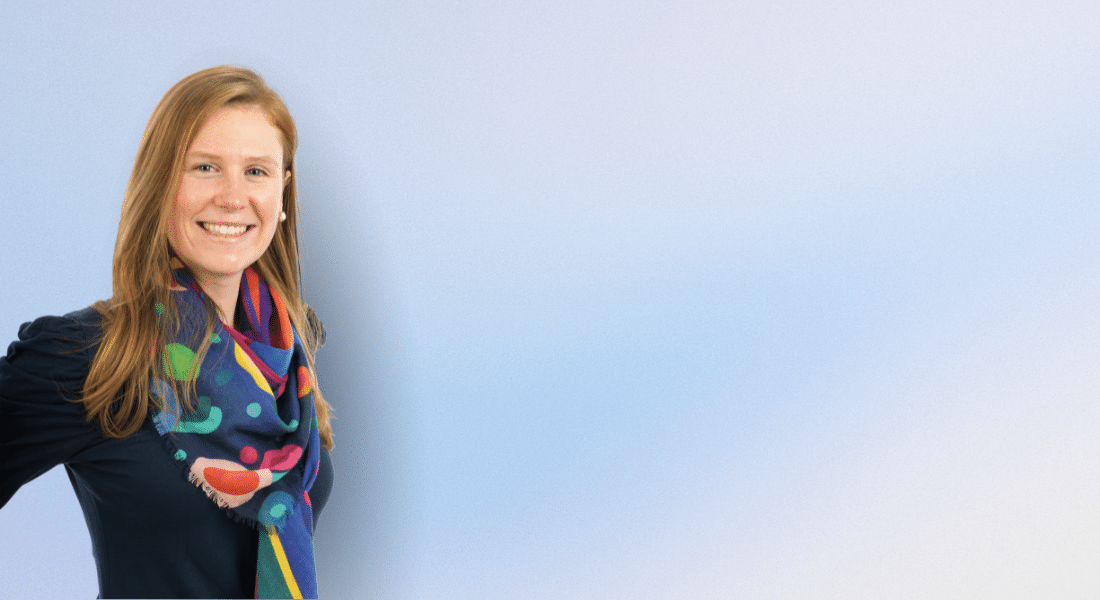
In Dr. Chantal Czerednikow’s Montreal clinic, dental appointments often begin with a melody. “One, two, three, four, five,” she sings softly as she touches first one hand, then the other, then the shoulders.
The music therapy–style adaptation helps patients feel safer and is part of a larger tool kit she has developed for autistic and neurodivergent adults, who may be more sensitive to light, sound and more. Research shows autistic people are more likely to experience poor oral health due to these sensory issues, which can make dental appointments difficult or even impossible.
Czerednikow began treating patients with developmental delays and anxiety in dental school, after seeing how poorly the traditional system served them. Thanks to funding from the Azrieli Foundation, she underwent additional training to refine her skill set and has pioneered new approaches for neurodiverse patients.
Ongoing Foundation support has allowed Czerednikow to establish the clinic at Montreal General Hospital and keep adapting her practice to reach patients who face challenges accessing conventional care. She’s also training the next generation of dentists to do the same through McGill University’s residency program, ensuring more neurodiverse people can access care that prevents tooth decay, infection and pain.
To the Azrieli Foundation, accessibility is a moral responsibility, which is why it continues to support Czerednikow’s work. “Everyone deserves to be treated with dignity, patience and respect,” says Orly Fruchter, Manager of Neurodiverse Initiatives. “Especially individuals who can’t express their needs, convey pain or advocate for themselves.”
For Czerednikow, who received an Award of Merit from the Canadian Dental Association in 2025 for her work, this isn’t a special program: “I’m providing people with the care they deserve, in a positive way.” — Darah Hansen